
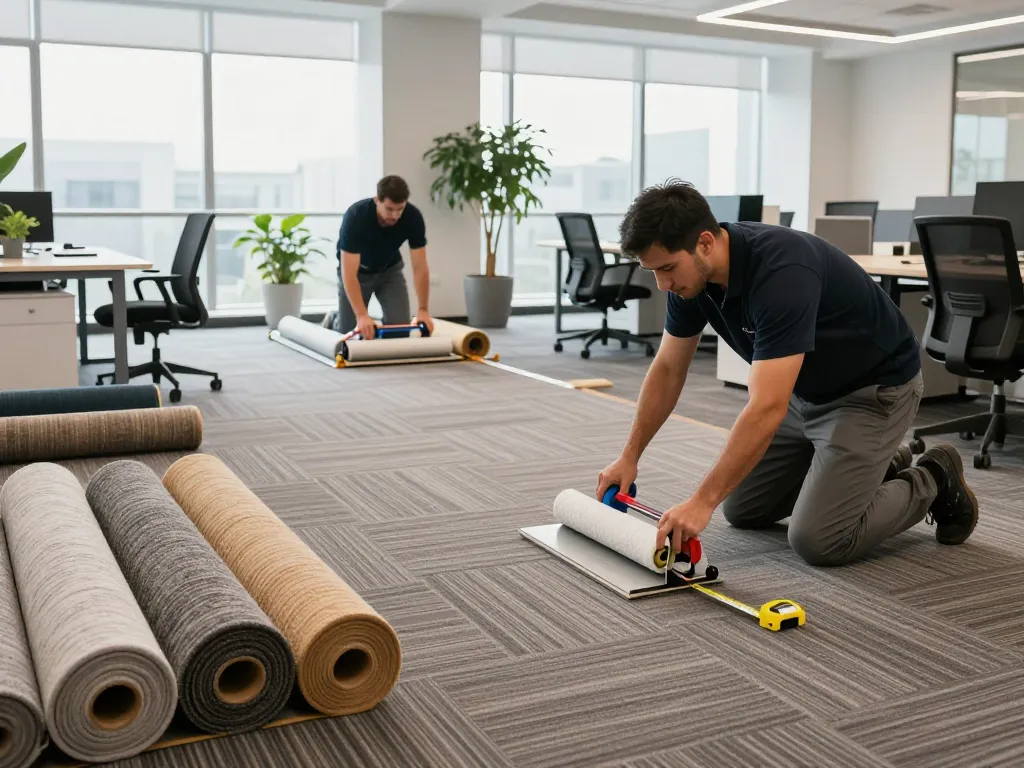
Understanding Commercial Carpet Installation
Commercial carpet installation is a vital aspect of maintaining the aesthetic and functional quality of business environments. These installations serve not only to enhance the visual appeal of a space but also to improve safety and comfort for employees and clients alike. Whether you’re refreshing an office, outfitting a retail store, or renovating a hospitality venue, understanding the nuances of commercial carpet installation is essential. When exploring options, commercial carpet installation services can provide comprehensive insights tailored to your specific needs.
What is Commercial Carpet Installation?
Commercial carpet installation involves several steps that transform an empty or outdated space into a functional and inviting area. This process includes selecting appropriate materials based on foot traffic, durability, and style, as well as ensuring that the installation is conducted in a manner that minimizes disruption to business operations. It typically requires professional expertise to achieve the best results.
Importance of Selecting the Right Carpet
The choice of carpet can significantly impact the overall ambiance of a commercial space. Factors such as color, texture, and material play crucial roles in creating an appropriate environment for the intended use. For example, vibrant colors might suit a creative workspace, while muted tones may be more appropriate for corporate offices. Moreover, selecting a carpet that can withstand heavy foot traffic without showing signs of wear is essential for long-term cost efficiency.
Common Myths about Carpet Installation
Many misconceptions surround commercial carpet installation. One common myth is that all carpets are the same in terms of durability and maintenance. In reality, carpets are designed with specific use cases in mind, and understanding these differences is crucial for making an informed choice. Additionally, some believe that DIY installations are cheaper, but without professional expertise, the risks of costly mistakes can outweigh initial savings.
Types of Commercial Carpets
Comparing Carpet Materials for Business Use
When it comes to commercial carpets, various materials are available, each with distinct properties and benefits. The main types include:
- Nylon: Known for its durability and resilience, nylon is ideal for high-traffic areas.
- Polyester: Offers vibrant colors and is more resistant to stains, making it suitable for offices and retail spaces.
- Wool: A natural option known for its comfort and luxurious appearance, though it requires more maintenance.
- Olefin: Excellent for outdoor applications due to its resistance to moisture and fading.
Understanding Carpet Tiles vs. Broadloom
Carpet tiles and broadloom are two primary formats of commercial carpeting. Carpet tiles are square sections that can be replaced individually, making them ideal for areas prone to spills or wear. They offer flexibility in design and installation. Broadloom, on the other hand, is a roll of carpet that provides a seamless look but can be more challenging to repair in case of damage. Deciding between these options depends on factors such as design preference, usage patterns, and maintenance considerations.
Choosing the Right Carpet for Your Industry Needs
Different industries have unique requirements for carpeting. For instance, healthcare facilities need carpets that assist with infection control and are easy to clean, while educational institutions might prioritize durability and noise reduction. Understanding the specific demands of your industry is crucial for selecting the most appropriate carpet type.
Preparing for Carpet Installation
Assessing Your Space for Installation
Before commencing with commercial carpet installation, a thorough assessment of the space is necessary. This involves measuring the area, evaluating subfloor conditions, and considering existing furniture layouts. Preparing the environment allows for a more efficient installation process.
Essential Tools and Materials for Installation
Successful carpet installation requires specific tools and materials, including:
- Measuring tape for accurate dimensions
- Utility knife for precise cutting
- Carpet stretcher to ensure proper fitting
- Double-sided tape or adhesive for securing the carpet
- Seaming tools for creating seamless transitions
How to Budget for Your Carpet Project
Budgeting for your carpet installation project involves not only the cost of materials but also installation fees and potential additional services such as removal of old flooring. On average, the cost of commercial carpet ranges from $2.50 to $7.50 per square foot installed, depending on various factors such as carpet type and complexity of installation. It is advisable to obtain multiple quotes and consider the total long-term value, rather than just the upfront costs.
Installation Process: Step-by-Step
Preparation Steps Before Installation
Preparation is key to a successful carpet installation. Before the installation team arrives, ensure that:
- The area is clear of furniture and obstacles.
- The subfloor is clean and dry.
- Any necessary repairs to the subfloor have been completed.
Professional vs. DIY Installation: Pros and Cons
While DIY installation may seem cost-effective, hiring professionals ensures that the job is done correctly and efficiently. Professionals have the experience and tools necessary to handle complex installations, whereas a DIY approach runs the risk of mistakes that can lead to additional costs and time delays. Consider your budget, skills, and project complexity when deciding which route to take.
Key Techniques for a Flawless Finish
Achieving a flawless finish during carpet installation involves several best practices, including making accurate cuts, ensuring tight seams, and proper stretching of the carpet to avoid wrinkles. Professional installers often employ techniques such as power stretching to secure the carpet effectively.
Post-Installation Maintenance and Care
Best Practices for Carpet Maintenance
Once the carpet is installed, proper maintenance is essential for prolonging its lifespan. Regular vacuuming, addressing stains promptly, and periodic professional cleaning can help keep the carpet looking new. Additionally, using mats at entry points can reduce dirt and debris tracked onto the carpet.
How to Handle Common Carpet Issues
Common issues such as stains, fraying, and wear can arise over time. For minor stains, immediate treatment with appropriate cleaning solutions can prevent long-lasting damage. In cases of fraying or significant wear, consulting with professional services can ensure that the carpet is restored effectively without the need for complete replacement.
Trends in Commercial Carpet Maintenance for 2026
As we move into 2026, trends in carpet maintenance focus on sustainability and technology. Advanced cleaning solutions that are eco-friendly are becoming more popular, along with developments in carpet materials that require less frequent cleaning. Additionally, smart technology is being integrated into maintenance routines, allowing for more efficient upkeep.
What are the costs associated with commercial carpet installation?
The costs associated with commercial carpet installation can vary. Factors such as carpet type, room size, and labor rates influence the overall budget. Typical costs include material pricing, installation fees, and any preparatory work that may be needed for the subfloor.
How to choose the right carpet for high-traffic areas?
Choosing the right carpet for high-traffic areas involves selecting durable materials that can withstand wear and tear. Options like nylon and treated polyester are ideal, along with considering carpet patterns that can help disguise stains and degradation.
What are the benefits of using carpet tiles?
Carpet tiles offer numerous benefits, including ease of installation and maintenance. If one tile becomes damaged, it can be replaced without needing to replace the entire carpet. Additionally, carpet tiles can create interesting patterns and design elements in a space.
What is the average lifespan of commercial carpets?
The average lifespan of commercial carpets varies depending on the material and usage but generally ranges from 5 to 15 years. Regular maintenance can extend this lifespan significantly.
How does carpet insulation impact office acoustics?
Carpet insulation plays a significant role in mitigating noise in office environments. Carpets absorb sound, reducing echo and distractions, which can enhance productivity and create a more pleasant working atmosphere.